Today’s post is some pictures I took on a hidden Salt River trail. It runs between the Granite Reef and Phon D Sutton Recreation areas. I personally like to park a little past the Granite Reef area where there’s a horse gate to the trail. A word of caution this isn’t the greatest place for a casual hike or fishing. Make sure to get a Tonto Pass before heading out. Some are sold at kiosks in recreation areas and at the Saguaro Lake Marina.
Cleared dead trees in piles along the hidden trail on the Salt River
One of the first things I noticed from last summer is the dead burnt trees and brush being cleared and piled up. This looks like excellent habitat for snakes and other animals. The trail has a silty sand base with areas of dry river beds and an iron metal fence to keep the wild horses from the area between the Salt River and the Bush Highway. (It’s actually to keep people from driving right up to the river’s edge.)
Dead tree with Waxing Gibbous Flower Moon
The hidden trail is lined with Arrowweed, sage, and native grasses. Along the way there was a very active beehive, so bee careful! Also, there seems to be an extraordinary amount of horse apples.
This Cottontail has seen some serious shit
A bee feasting on Arrowweed flowers
Here is a peculiar plant the Tobacco Tree. It has some pretty long yellow flowers perfect for feeding humming birds. There are a few at the beginning of the trail to check out.
Tobacco Tree flowers up close
Two bees sharing a meal
As I walked along Zebra Tailed Lizards will run out into the path stopping to try and blend in with their environment.
Zebra Tailed Lizard trying to blend in with roots
Birds
There are plenty of birds that might stop by to see what you’re up to. The area has many different species and can be a bit camera shy.
Male Cardinal paying a visit
Cardinal eating a fat bug
Female Phainopeplas in flight
Female Phainopeplas
A female Phainopeplas was responding to my whistle. She followed me from a high perch in the tree line to a closer view. Where we played a game of whistling. It was fun to whistle and watch her jump from a perch with a beautiful flutter landing on another branch.
Lesser Goldfinch
Green Heron flying away when I tried to take it’s picture
Blue Darter Dragonfly
American Ruby Spot
Infestation
There’s some kind of infestation happening leaving clumps of silky white debris. It looks like it is killing Mesquite trees starting at the branch and working it’s way around.
Ground covered in a cotton or silk like debris.
White floating orbs of silk appear to catch onto the dead branches
Close-up of a mesquite leaf and branch covered in a silky substance.
I found some insects that were crawling away from the ends of one branch. Below is a couple pictures of the largest one. I didn’t see any other kind of creepy critter culprits.
Heavily camouflaged critterA side view to show the girth of the critter
Wild Horses on the Salt River
Wild Horses drinking and feeding at dusk on the Salt River
Wild horse drinking from the river
People come from all over to see the wild horses. After walking over many piles of horse dung I knew at some point it was possible to find a group.
I was grateful to have a 300mm for shots of them hanging out across the river. One of the challenges I faced was the setting sun and the hordes of insects.
I am here to tell you about the trip I almost took to Ajax Mine in central Arizona. Picking a location on Google Maps is where I first start my planning and the plan ends there. I did skim over a blog by Bold Canyon Outdoors on their adventure and it sounded easy enough. Easy enough for a 4 x 4 vehicle… I was thinking it looked more like the typical wavy smooth roads with occasional areas washed out.
The First Half
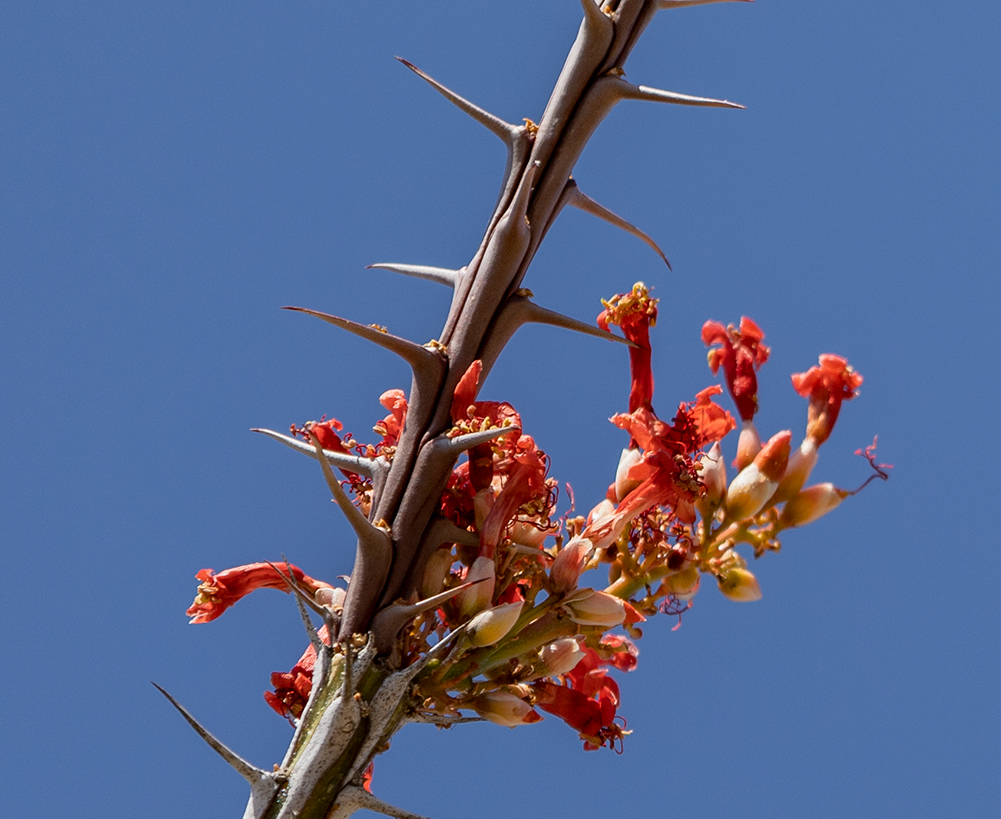
The first half of the trip was a straight flat track with ripples. I fantasized about the photos I was going to take of the Milky Way rising above the abandoned Ajax mine. The landscape was typical untouched wilderness of the Sonoran desert. You can see the Jumping Cholla, Prickly Pear, Ocotillo, Palo Verde trees, Jojoba and Saguaros cacti in the landscape.
Once passing the fence line and cattle guard from Cottonwood Canyon Rd leading to Mineral Mountain road I encountered some areas a regular passenger car would start scraping their under carriage. Google maps will have you take a route to a gated ranch. Which if I had fully read the blog earlier, I would have just taken their custom route. It didn’t take long after passing a camper packing it out and a recreational shooter that I encountered the furthest point my Mitsubishi Outlander could handle. It was 4.1 miles from the mine and I literally said, “Four miles ain’t shit!”
Pride Falls Before the Man
Paraphrase of Proverbs 16:18
About a half mile up I was already thinking I should retry to climb the hill as the trail was looking good to go again. Then I came up on the first water hole for the open range cattle. They all had horns and they were too far away to tell if any were bulls.
As I approached a couple of them popped up out of a resting position to their feet. There was apart of me ready to turn around in fear. There was also a very steep hill past the herd I was not looking forward to hiking up. I pressed on despite those inner voices seeking safety and comfort.
About halfway up, I was thinking of the final week of basic training at Ft. Benning. They take us on a 15 mile road march with a combat load. Today I was only carrying a camera gear and a half gallon of water. So counted my blessings resting my legs every so often. I lost signal to Google maps converting the directions from car to walking until I reached the peak of the hill. It told me I was only about a half mile in.
The top of the first major hill on the South Ajax Mine road.
Once again I was thinking about turning around. The inner voice said, “This is suicide to keep going with a half gallon of water and the sun setting and intermittent cell phone signal.” In reality it is pretty dangerous, but it was only a few miles. I couldn’t just quit though.
Grace of the House Finch Babies
Then a moment of grace between the first and second hill happened. I could hear birds frantically chirping away just off the carved mountain path. I saw a brown bird with a red breast fly off from a Jumping Cholla. A dark cluster between arms appeared to be a nest. I climbed up a few feet to see the chirping was coming from a couple baby House Finches.
Baby house finch in a nest made in Cholla cactus
I pressed on to a second challenging hill. It was obvious my vehicle would never make this journey. If it made it there, coming back might be another challenge.
Southwest side of the second hill
Ajax Mine trail that would require four wheel drive
Still with three miles to go I stood there trying to figure out the distance to the mine. Google maps said it would take an hour, which would put me at the mine during the blue hour giving enough light for some nice long exposures.
A view of the South Ajax Mine Trail route to the North Ajax Mine Trail leading from the ranch.
I came to a junction and a large dry wash. It lead to North Ajax Mine Trail and some unmarked OHV trails. Luckily Google maps saved me from taking the trail in the picture above. The Ajax Mine Trail is actually behind the mountain. The hike was pretty easy from that point crossing a couple washes.
The view past the wash junction looking south to the second hill
Momma Cow
I came around a bend and found another herd. They looked like they might be penned, but as I got closer one of them was definitely outside the fence. It started rolling it’s head around. In my mind, I was trying to figure out if it was shaking off some cacti needles or if it was an aggressive gesture. Despite it’s cowbell and long eyelashes, it’s horns were all I was thinking about. I happened to stop next to a Catclaw Mesquite with some Tarantula Hawks having a feast. I figured I could work out my fears while taking pictures of these little monstrous looking insects.
Tarantula Hawk in Catclaw Mesquite
Unfortunately momma cow was not budging. I could see her calves now and my creative mind went off. Not only would I be walking past on unstable ground the narrow path had no real cover. I imagined myself running through the desert in a thin pair of shorts catching all the cacti needles and eventually being brutal gored and trampled. Not to death though just a thorough ass kicking, because God would want me to walk bloody and broken back up those hills. Regretfully I started to walk back looking over my shoulder. Then momma came out of the brush in my direction. Great she’s stalking me now!
Momma cow protecting calves
The Long Walk Back
I continued to walk briskly and took the wash to throw her off my trail. Coming to the first uphill on the 2nd Hill. The sun was setting behind it. Fully paranoid at this point I was sure a rattlesnake would be repositioning from their day lair for a meal.
A perspective of the vertical challenge of the northside of the second hill
I continued on and came across the first herd again with a few missing now. A little further up the road I spooked a calf and this time another cow was standing on the side of the road. Fuck me man! I powered through my fear and calmly walked by. This cow just looked goofy with one horn pointing up and the other down. It might have been crossed-eyed too. At this point I felt foolish for turning around in the first place. What’s even funnier is I was running scenarios of fighting off mountain lions and bears in my head before all this. Really I do look at these thoughts in a comical way though. Which allows me to enjoy some of the beauty I would miss otherwise.
Fire licked Saguaro’s on a Ridge at First Water Trailhead
My first visit to the area was on a moonless night the day before. It was apart of the First 24 Hours with the Canon RP. I wanted to scout for a future Milky Way shot. It didn’t take long to notice the area was burnt out in a recent fire and the regrowth of small vegetation had begun.
At first I thought it was from the evening monsoon I took the Rainbow, Lighting and Dust Storm pictures. The squall started a fire near Canyon lake, but this area is several miles from that region. Later on a quick search revealed it was the lighting caused Superstition Fire.
Male cardinal perched on a burnt branch
I visited the First Water Trailhead for the second time for a short walk near dusk. It’s been a while since I have felt like I did when I first got a camera and started exploring Arizona more.
I moved to Phoenix in 1998 and for most of it I didn’t have access to a vehicle. When I did I spent most of the time driving for a living and when the day was through it was time for drinking.
So getting out to take photos is important in that recovery from that tired lifestyle.
Old Saguaro burnt by the fire
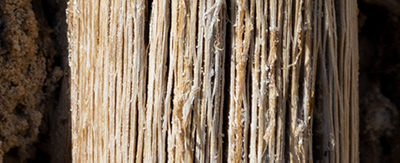
I continued my walk and noticed this Saguaro on the right. The trees and brush that provided protection for it earlier in it’s life became kindling for it’s demise. Old Saguaros as tall as they stand are still vulnerable to the flames fueled by dense dry brush.
Apropos for human life. It doesn’t matter who you are or how tall you get, you are still as fragile as the life surrounding you below. The life seemingly below you will bring you down to it’s level. Sometimes in a persons life these fires might just burn a few hairs. Sometimes it will engulf you. We are fortunate to have mobility.
There are those that aren’t as fortunate to get out of the flames. They burn up in their self made pyre. Life doesn’t end in the desert though. The Jojoba is picking itself back up right where it seemingly died.
Jojoba in vegetative growth state
Budding Barberry
Not everything belongs here in this stage of regeneration in the Sonoran Desert. Globe chamomile is an invasive species that may look pretty, but stinks and rapidly reproduces competing with native plant species.
Globe Chamomile
Aphid having dinner courtesy of a Brittle Bush flower.
A portion of shallow valley consumed by wildfire with regrowth of small vegetation.
Despite the fire life continues in it’s natural beauty as this brittle bush with a single stem contributes to the regrowth of the First Water trail area quickly scorched by wildfire.
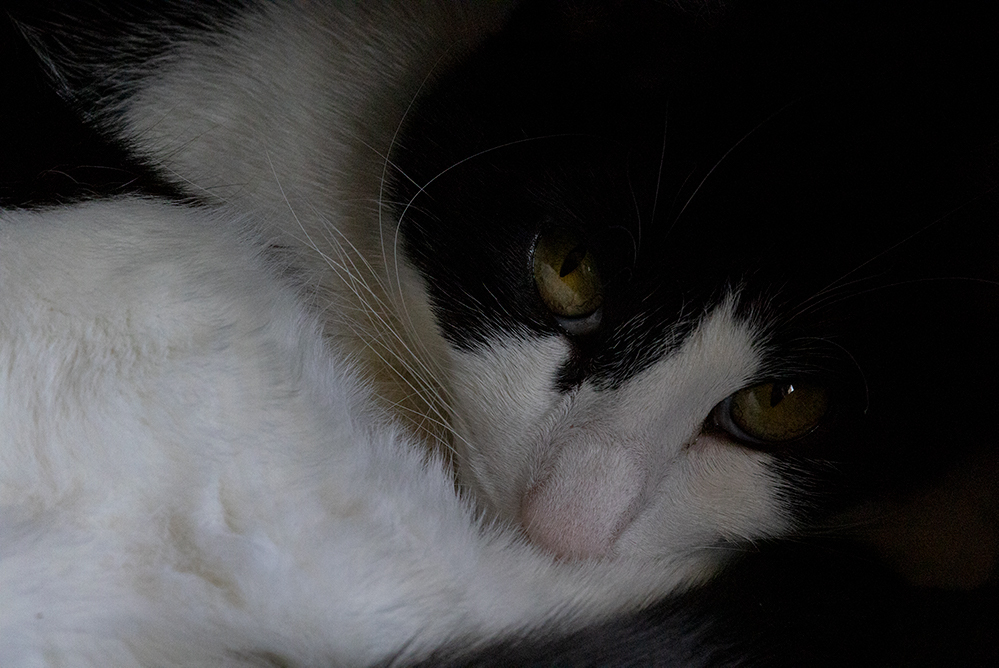
First click of the Canon RP f/7.1 1/20th Sec. ISO 12800
Recently after some careful consideration I pulled the trigger on getting a Canon RP and went with the 24-105 STM lens. I’ve had a few Canon cameras at this point, so jumped right in with little instruction.
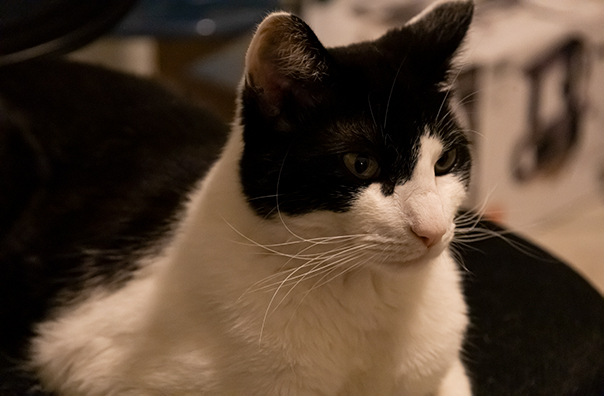
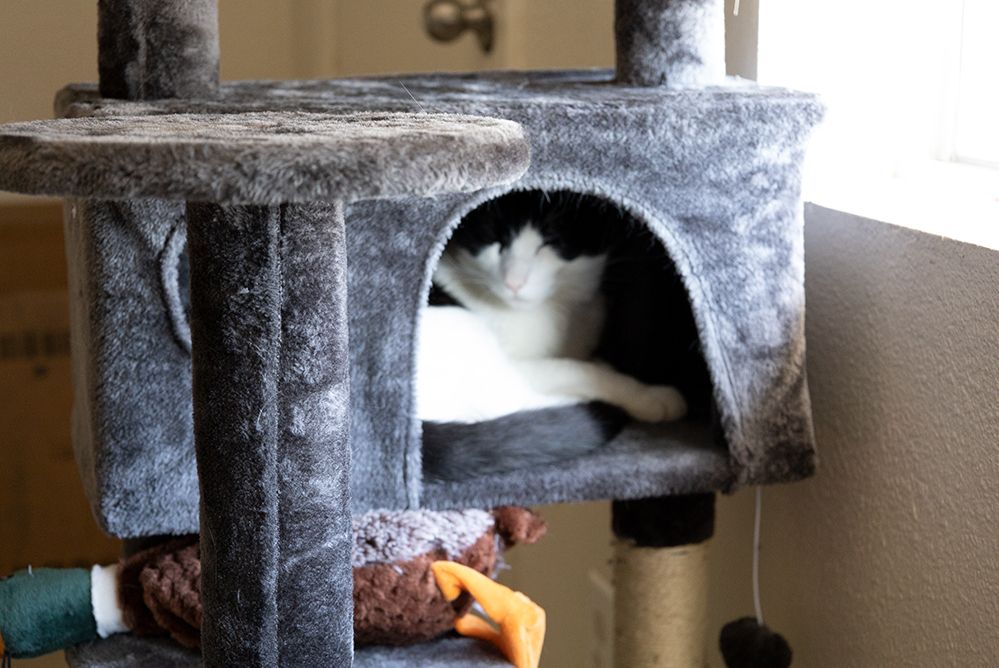
To the right is the first picture I took of my cat. It’s been a tradition with new cameras. She’s getting a little more comfortable in front of the lens. Even though the look on her face is “Great pictures…ugh”
I am very happy with the results so far. I was surprised to see this was taken at f/7.1 1/20th Sec. at an ISO 12800. I wasn’t even trying to hold the camera steady.
f/8 1/601th Sec. ISO 40000
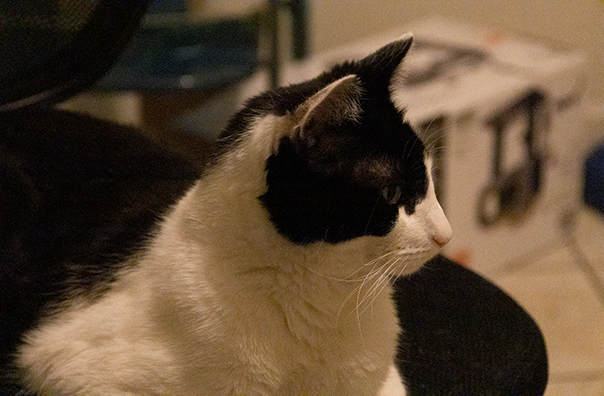
The second picture I attempted manual settings at f/8 1/60th Sec. ISO 40000. The image at full size is pretty noisy, but I think this still came out with good results.
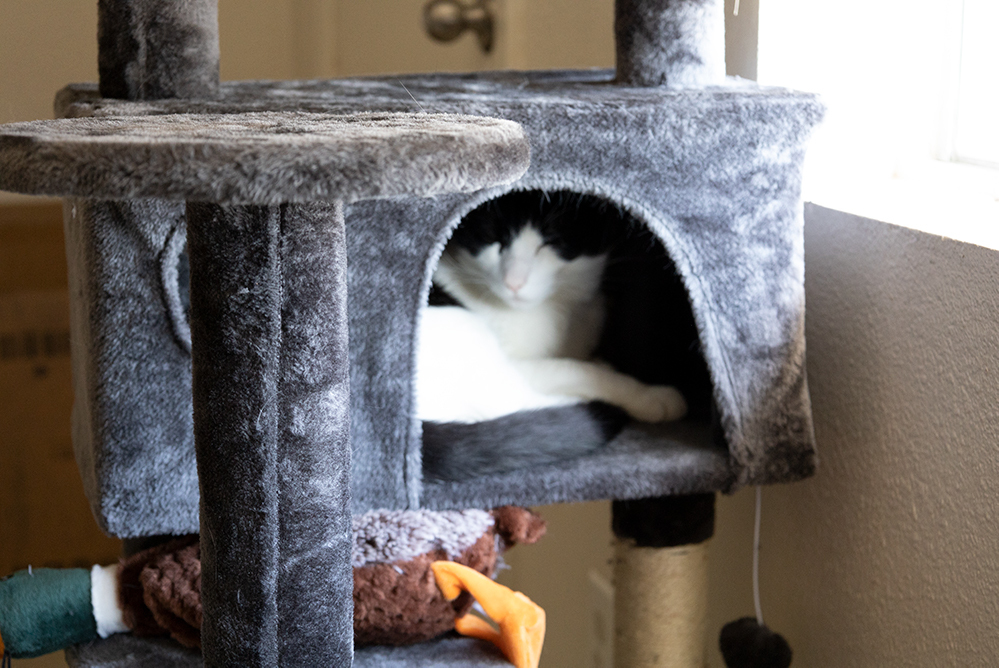
I could use photoshop to soften the noise, but it also reduces the texture in her fur. This is the sixth picture and now she’s trying to ignore what’s going on.
I was pretty tired by the time the battery charged, so I decided to get some rest and hit the road this morning. I figured just hiking with the setting on Auto would be fine. One of the things photographers struggle with in Arizona is the intensity of the sunlight. It’s tough to use the LCD or viewfinder to make sure the subject is in focus. I didn’t play with auto-focus other than have Eye-detection on. I think this may have added some difficulty. Also Auto Focus is locked to face detection in Auto shooting mode. Still it did produce sharp images, which I was relying on.
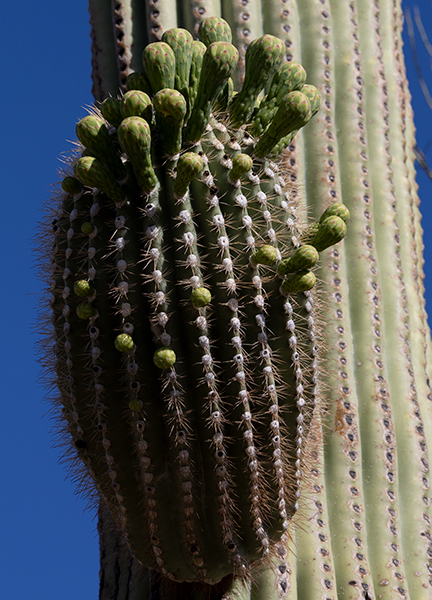
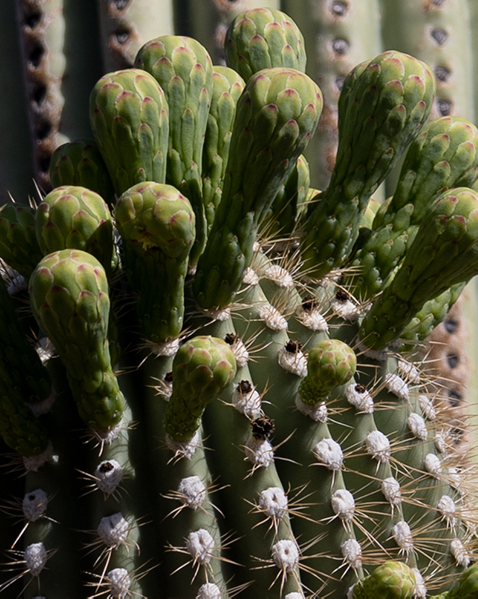
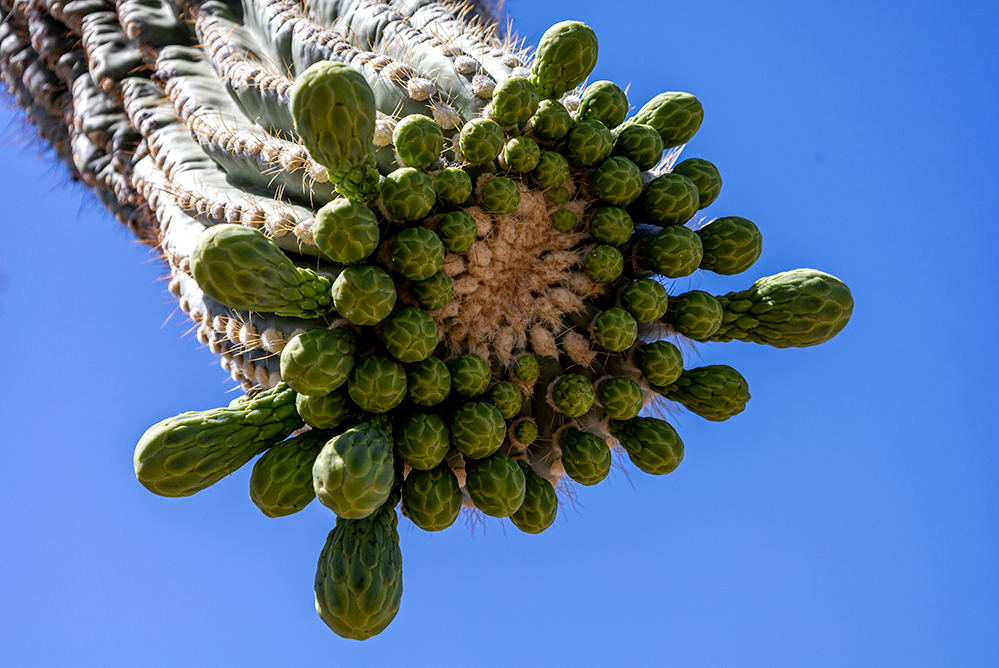
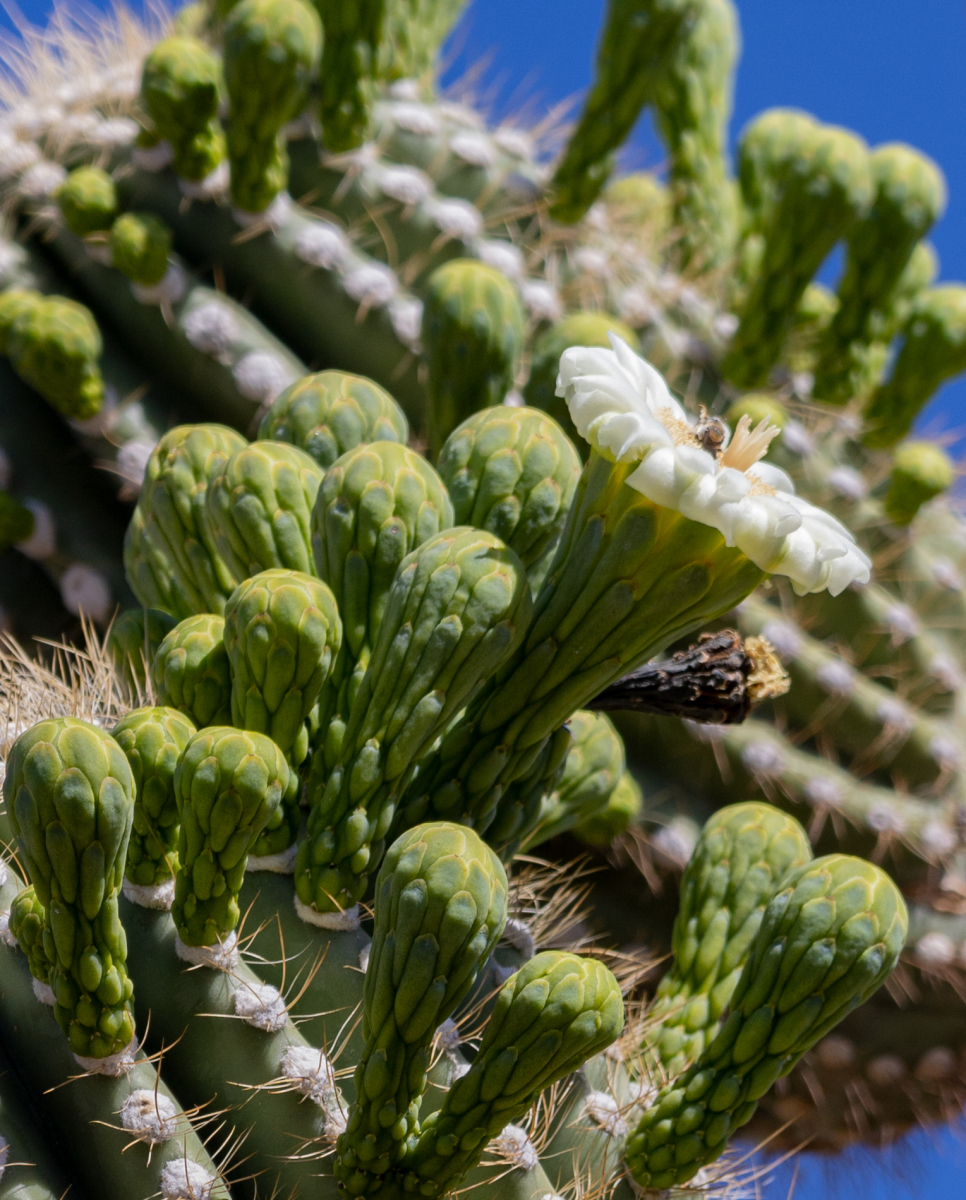
I added a cropped close up of the Saguaro fruit and needles. This was taken at 105mm at about 50ft from the Saguaro arm. (Without doing the math) Below is a closer shot on a low hanging arm with budding flowers. Kinda cool to see this perspective as most saguaros you would need a tall ladder to see what’s going on.
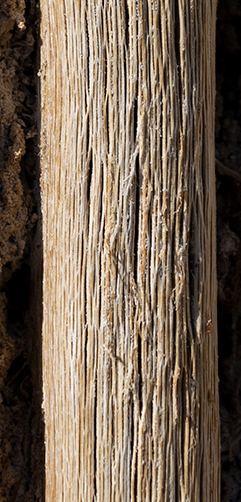
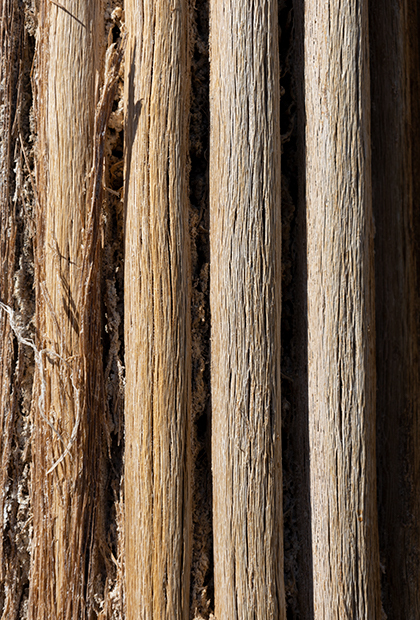
The conversion to jpeg reduces the quality of these dry Saguaro ribs, but this is like a macro shot at 95mm standing about 2-3 feet away. I really didn’t do this photo justice in auto mode with an aperture of f/7.1. Lesson learned!
Saguaro Ribs
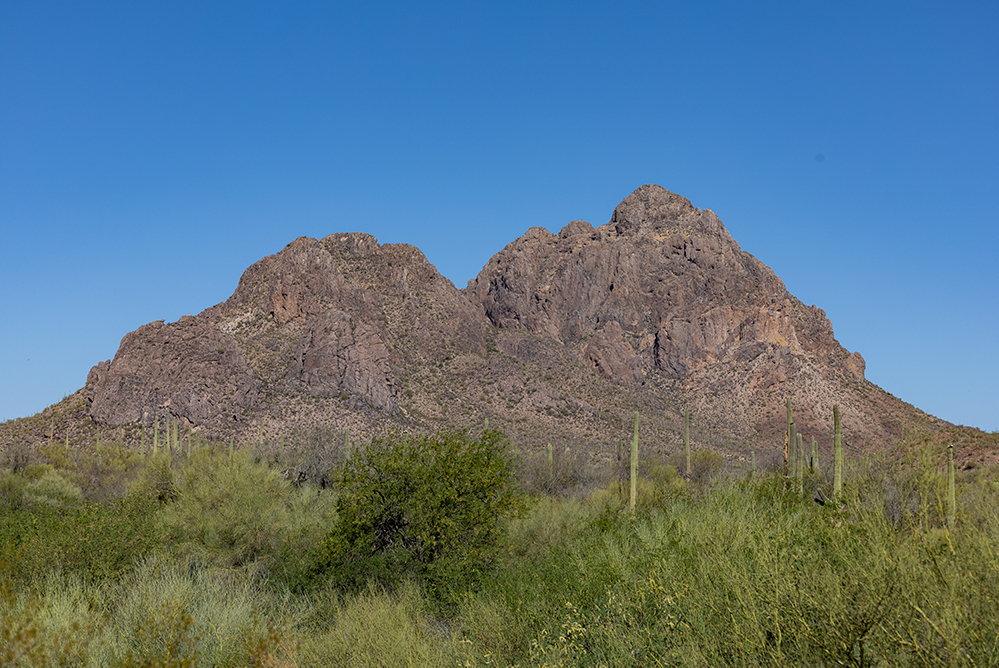
Below is a landscape image I struggled with using other cameras and lenses. In general whenever I would get home and zoom in the sky and ridgeline would have chromatic aberration, a purple line dividing the two. The green brush and trees below are crisp in comparison to past photos.
Below are a few shots where I was struggling with the focus. The depth of field bothers me a little, but still think these came out pretty good after all. I appreciate this little guy hanging around while I intruded on it’s lunch break.
I experimented with some depth of field after getting home and working on this post. I read some instructions earlier about focus bracketing and didn’t bother to look it up again. The RP has a feature that works with Canon software to bracket shots with different depths of field and combining them into one image. This is going to be a separate project for another day.
Depth of Field Play
My favorite picture so far
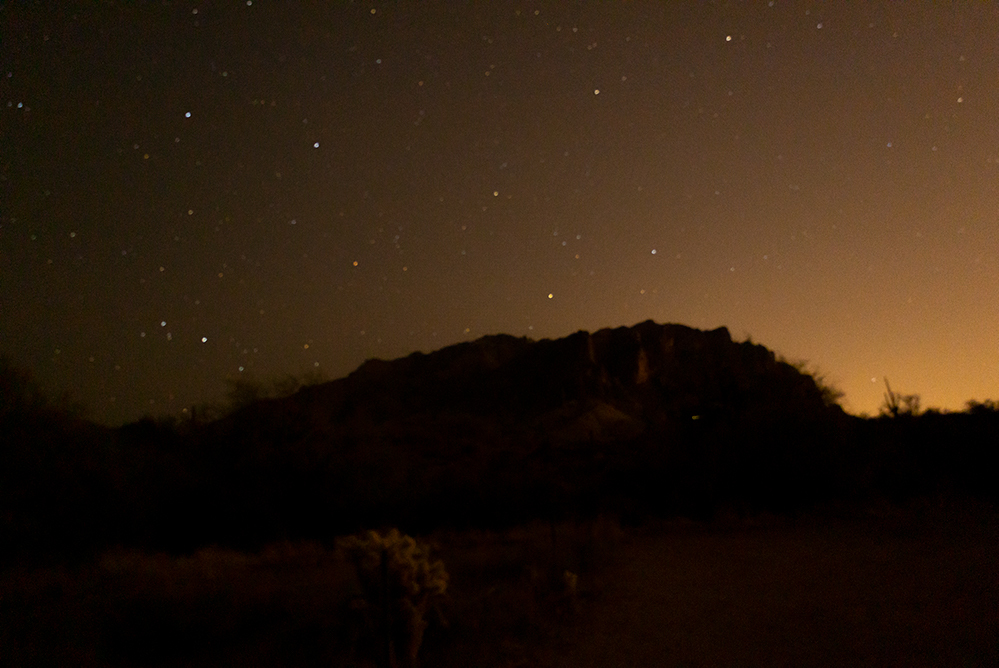
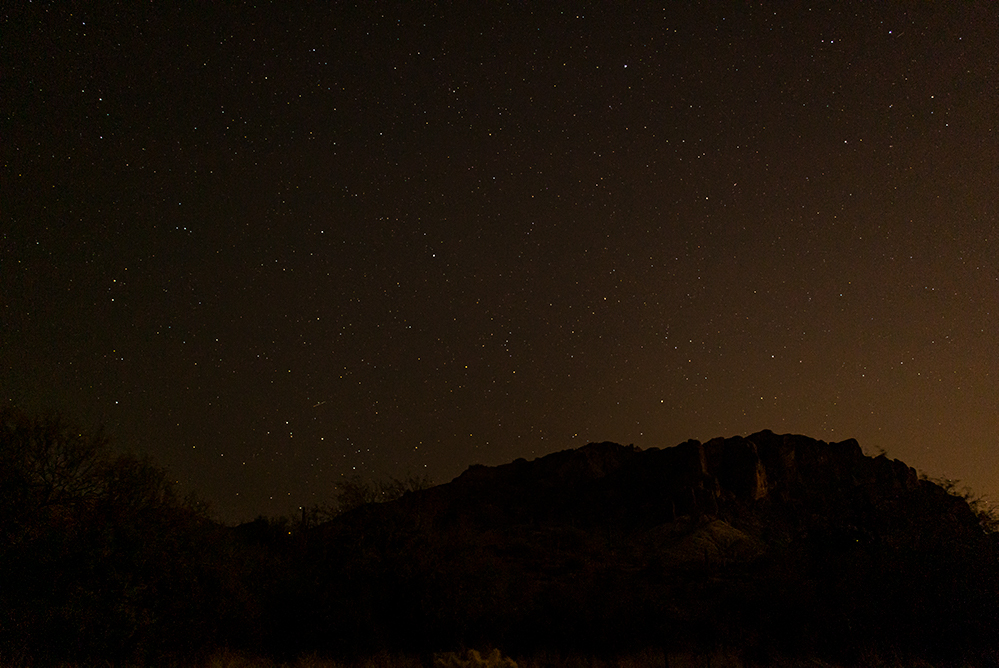
Next up was testing night photography out. Again who needs instructions?!!?1… It was fun I first started out like I did back on my old Canon T6 trying to find a bright start to focus on automatically. I didn’t realize I had left continuous focus on and that was a bit frustrating. Finally after thumbing through the menu I had the focus completely in manual. I discovered the greatest feature so far with the Canon RP, a focus meter! It still took a few shots to dial into infinity.
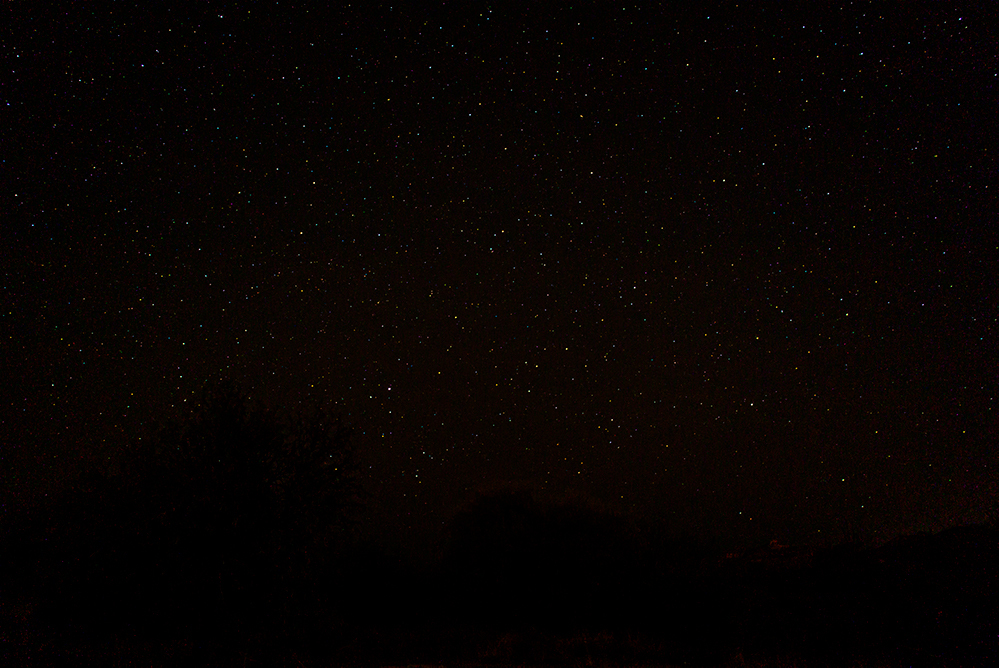
It’s still pretty early in the Northern Hemisphere Milky Way season, so I made sure I could get a few pictures with some stars in focus. My final settings were single shots at f/4 at 8 secs. with an ISO of 5000 at 24mm . No bracketing. Very very happy with the results and know there still some play with the settings.
Flatiron at night
200% Scale
Photo Raw adjustments to show off the universe a bit
Man time flies when the world is collapsing and burning around you. Hard to believe it was just over a year ago I fell backwards into my passion for art. It was with some sort of faith everything was fucked in the present and the only answer was to go backwards.
And it was. For at least a decade or more I was in a terrible haze. I’m still trying to see things clearly. It’s hard with all the digital noise and being downwind of the fires. The only clear thing is the present and what I am doing with it.
In the background are these forces bigger than all of the things in my head. One of these forces is the daily nuclear replenishment that can go on with or without my observance.
The other day I saw a composition I just had to capture as the moon was setting. In my eyes, I see the composition as something completely different than what the lens may capture at times.
What I saw was waning moon setting over a Mondrian inspired paint job on a common Southwestern Adobe architectural style. The moon through the lens turned out to be further away than I would have liked though.
Cropped original photo
I started off trying to increase the size of the moon captured, but hit the limits of quality pixels no matter which way I tried to work it. So I had to borrow a moon from a previous photo on an image with finer detail.
March 14th, 2020 Waning Moon
The image of the moon was captured with a Canon 5D IV and 50mm L 1.4. It took some adjustment to create the solid black and blues in Adobe RAW masking the moon for separate adjustments.
Easy enough I was able to create a selection around the moon and copy and paste it into the Apartment photos. Using a blend in the layer style with some adjustments I knocked out the dark background and set the opacity to 70%. And wahlah… But wait. There was also the pesky tree that I had to remove. To me I say I flexed some Photoshop skills because it appears realistic and unremarkable.
To get the second image it was a lot easier I simply copied and pasted the moon layer along with using the patch tool to hide the smaller moon.
Yes that’s right folks! Rainbows, lightning, and dust storms all in one sitting. Well for me at least. I am working on the time lapse, but here are some early images to show off. I used a little Photoshop magic to combine the lighting shot. Unfortunately, I was fumbling with settings when it was lighter out and a handful of strikes went off in camera view with brighter skies.
This is a similar time of day as the Sunset Light Study from a few days ago with the Goldfield mountain range behind the camera. I’m interested to see if anyone else caught these images from a different perspective.
Rainbow on the edge of a dust stormLightning in a monsoon dust storm
Sunsets in Arizona are one of our states selling points for tourism worldwide. Here’s a sunset light study with a rare shot of the Superstition Mountains face with light being cast through a narrow opening of clouds. The sun is falling behind the Goldfield mountain range, behind the camera, yet to settle below the horizon.
It starts off as a brilliant copper glow and gradually shifts towards the natural sanguine, sepia, and burnt umber hues. During a thick monsoon season we get the large cumulus clouds hanging above. This year as been a bit off, but stay tuned I’ve been keeping my eye on it with the NOAA app and on the ground visuals.
Six photos of different light cast on the mountains
The video below starts with the natural color to create a better loop. The images above is how I capture it and I created the video by tweening 20 frames between each image.
Golden Hour
Kapow! Here’s the sun setting through the clouds between the mountain peaks. I like the initial photos where it appears the sun has a crown. I was using the 50mm 1.8 on a Canon D2000/T7i. The first few photos are using f/22, a small aperture, and high speeds to create the beams of light. Later on in the study I was looking to capture more foreground and slowed the speed down using the same aperture.
Here’s the light behind the camera. I was actually catching different stages of the sun setting behind a line of clouds. The clarity of the setting sun is diffused by the atmosphere of dust, Phoenix pollution and clouds along with the slower speeds. This is an HDR composite and I could probably use any of the image above to fake the funk. I purposely chose a mountain ridge as a background to easily align any future production work.
Before the Golden Hour
Here’s where I started to capture the light before going on a quick hike to find some critters and better foreground. I knew the sun would create some spectacular colors between the peaks and clouds in about 30 minutes to an hour. This is a composite image of the Goldfield Mountain range. The image was stitched between separate HDR composites top and bottom. The mountains made for an easy alignment.
The Gambit’s Quail below is about all the critter action I was able to capture. It had a line of chicks running behind it that skillfully disappeared into the brush. The giant Black Tail Jack Rabbit got away before I could focus on it. No picture, it didn’t happen right?
I thought if I just setup for the sunset in their foraging area, maybe just maybe, they would come out for a photo shoot. Instead they kept me company in the brush with their little quail noises. I had a few minutes before the sun made it’s grand appearance and flipped into video mode. I need to work on video setting on my camera, but this is a sample of the quails and other birds settling in for the night.
The composite is right before the sun started to fall below the clouds.
A Hanging Fruit Cholla with a little flower.
Blue Hour
Before leaving I captured what was left of the light. The photo below was taken during the transition of golden hour to the blue hour I suppose. The mountain shadows make the foreground difficult to work with. I was thinking if I had a model this would require lighting to be setup. Yes, I went a little overboard editing this.
Here’s an example of a softer image of the Phoenix skyline that required less editing. This was taken with a full-frame sensor and captures more pixels and subtle light gradients. It was capture using the 50mm 1.2L, which the combo makes a big difference.