First Water and Regrowth

Fire damaged saguaros on a ridge
Fire licked Saguaro’s on a Ridge at First Water Trailhead

My first visit to the area was on a moonless night the day before. It was apart of the First 24 Hours with the Canon RP. I wanted to scout for a future Milky Way shot. It didn’t take long to notice the area was burnt out in a recent fire and the regrowth of small vegetation had begun.

At first I thought it was from the evening monsoon I took the Rainbow, Lighting and Dust Storm pictures. The squall started a fire near Canyon lake, but this area is several miles from that region. Later on a quick search revealed it was the lighting caused Superstition Fire.

Male cardinal perched on a burnt branch

I visited the First Water Trailhead for the second time for a short walk near dusk. It’s been a while since I have felt like I did when I first got a camera and started exploring Arizona more.

I moved to Phoenix in 1998 and for most of it I didn’t have access to a vehicle. When I did I spent most of the time driving for a living and when the day was through it was time for drinking.

So getting out to take photos is important in that recovery from that tired lifestyle.

An old saguaro with many arms burned by a wildfire
Old Saguaro burnt by the fire

I continued my walk and noticed this Saguaro on the right. The trees and brush that provided protection for it earlier in it’s life became kindling for it’s demise. Old Saguaros as tall as they stand are still vulnerable to the flames fueled by dense dry brush.

Apropos for human life. It doesn’t matter who you are or how tall you get, you are still as fragile as the life surrounding you below. The life seemingly below you will bring you down to it’s level. Sometimes in a persons life these fires might just burn a few hairs. Sometimes it will engulf you. We are fortunate to have mobility.

There are those that aren’t as fortunate to get out of the flames. They burn up in their self made pyre. Life doesn’t end in the desert though. The Jojoba is picking itself back up right where it seemingly died.

Jojoba growing through the burnt remains
Jojoba in vegetative growth state
Close up of a barberry bush regrowing
Budding Barberry

Not everything belongs here in this stage of regeneration in the Sonoran Desert. Globe chamomile is an invasive species that may look pretty, but stinks and rapidly reproduces competing with native plant species.

Globe Chamomile an invasive species may inhibit the regrowth of native plants in the wilderness
Globe Chamomile
An aphid on a Brittle bush flower
Aphid having dinner courtesy of a Brittle Bush flower.
Bushes burned by the previous fire with regrowth of smaller vegetation.
A portion of shallow valley consumed by wildfire with regrowth of small vegetation.

Despite the fire life continues in it’s natural beauty as this brittle bush with a single stem contributes to the regrowth of the First Water trail area quickly scorched by wildfire.

The regrowth of a single brittle bush stem with rays of sunlight lighting it.

First 24 Hours with the Canon RP

First picture with Canon RP w/ 24-105 STM
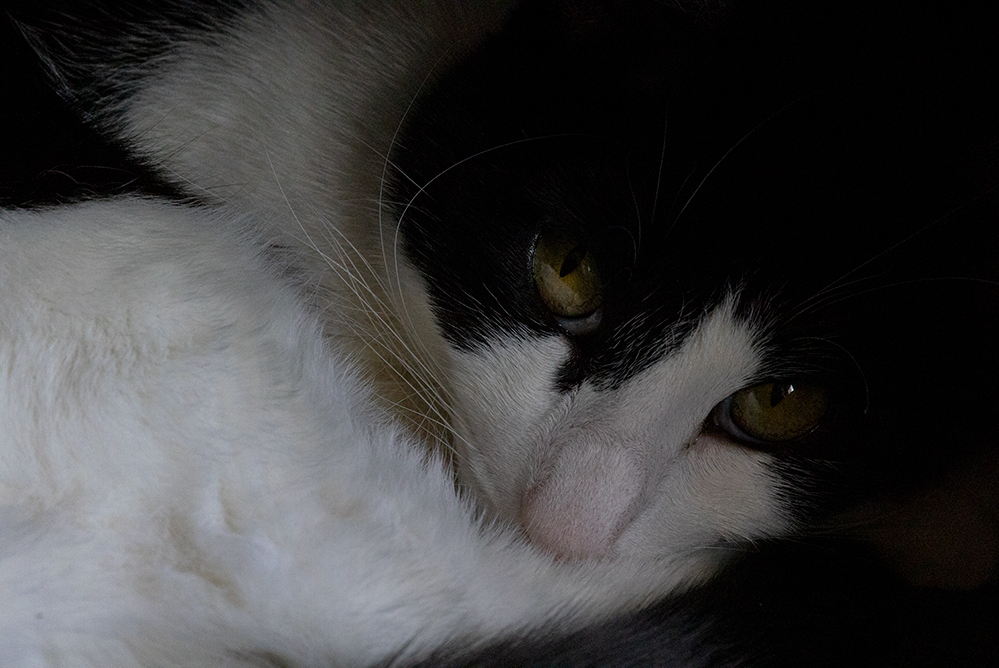
First click of the Canon RP f/7.1 1/20th Sec. ISO 12800

Recently after some careful consideration I pulled the trigger on getting a Canon RP and went with the 24-105 STM lens. I’ve had a few Canon cameras at this point, so jumped right in with little instruction.

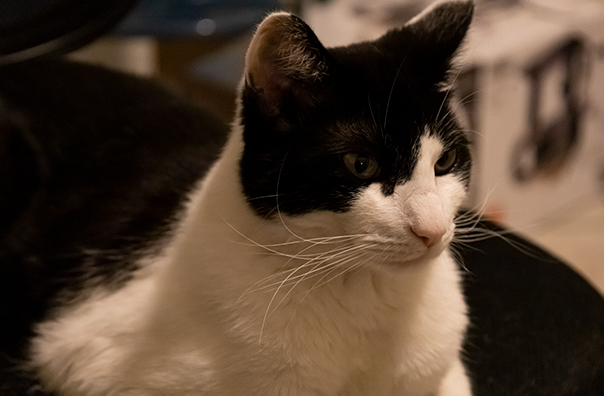
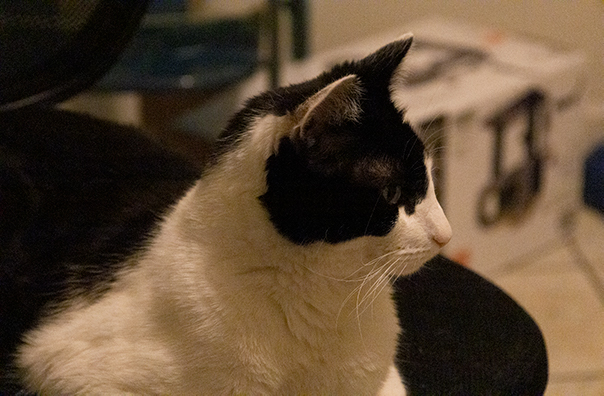
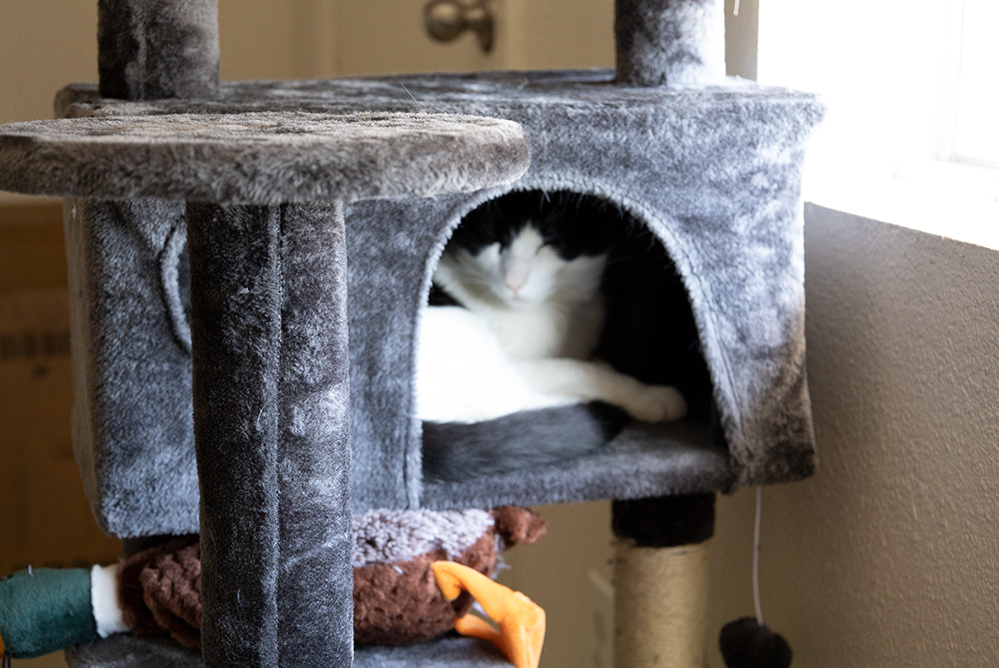
To the right is the first picture I took of my cat. It’s been a tradition with new cameras. She’s getting a little more comfortable in front of the lens. Even though the look on her face is “Great pictures…ugh”

I am very happy with the results so far. I was surprised to see this was taken at f/7.1 1/20th Sec. at an ISO 12800. I wasn’t even trying to hold the camera steady.

Manual settings 6th picture
f/8 1/601th Sec. ISO 40000

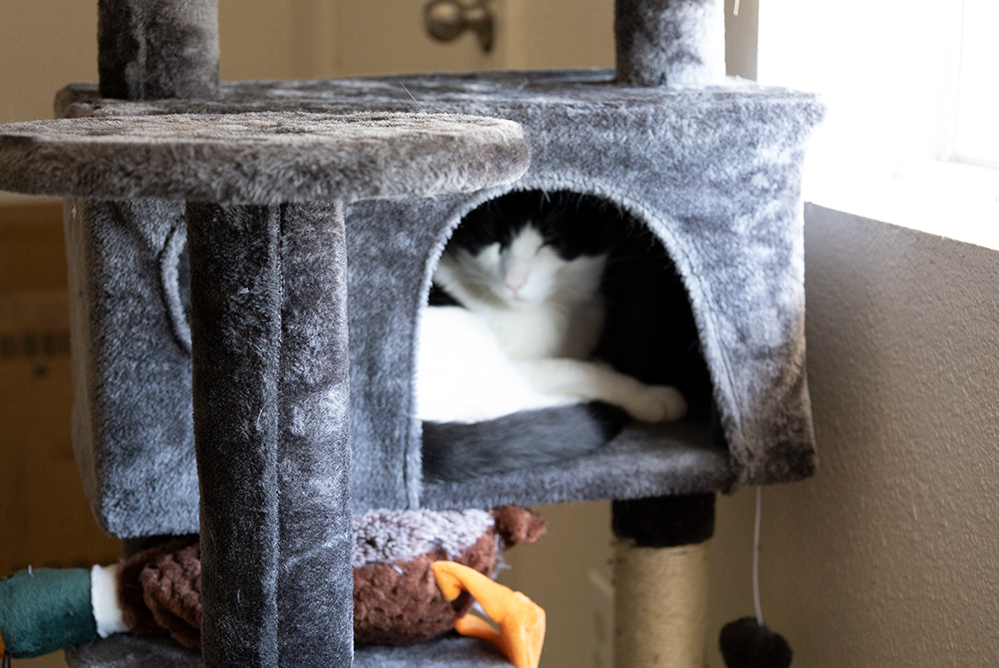
The second picture I attempted manual settings at f/8 1/60th Sec. ISO 40000. The image at full size is pretty noisy, but I think this still came out with good results.

I could use photoshop to soften the noise, but it also reduces the texture in her fur. This is the sixth picture and now she’s trying to ignore what’s going on.


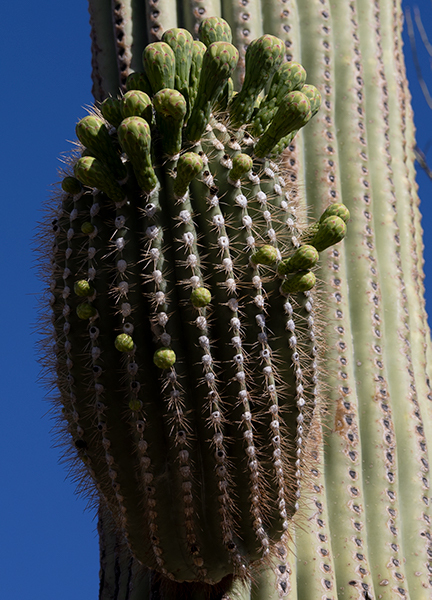
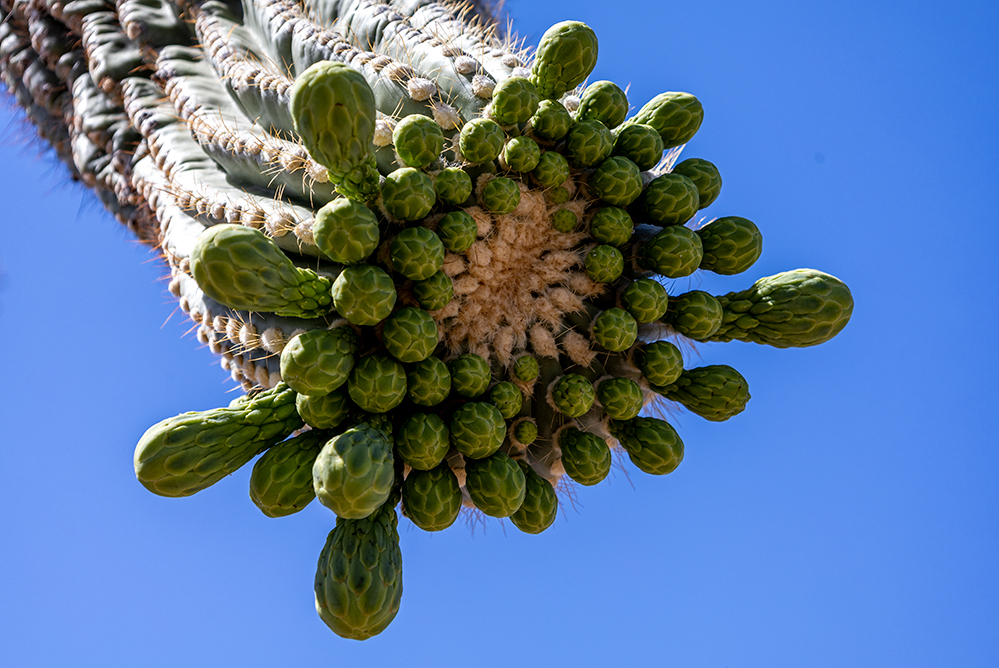
Zoomed shot of Saguaro flower buds using 24-105 STM

I was pretty tired by the time the battery charged, so I decided to get some rest and hit the road this morning. I figured just hiking with the setting on Auto would be fine. One of the things photographers struggle with in Arizona is the intensity of the sunlight. It’s tough to use the LCD or viewfinder to make sure the subject is in focus. I didn’t play with auto-focus other than have Eye-detection on. I think this may have added some difficulty. Also Auto Focus is locked to face detection in Auto shooting mode. Still it did produce sharp images, which I was relying on.

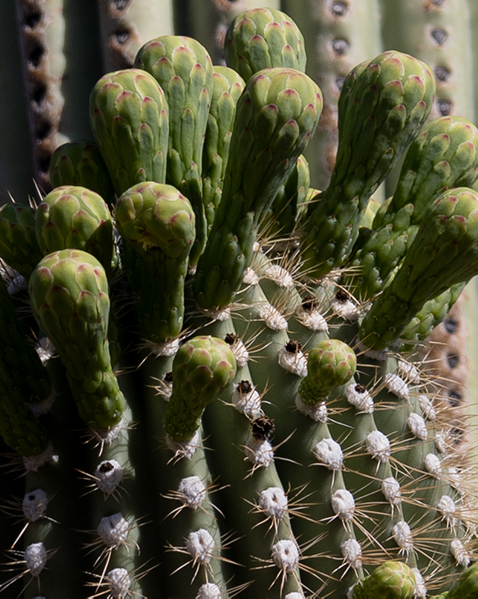
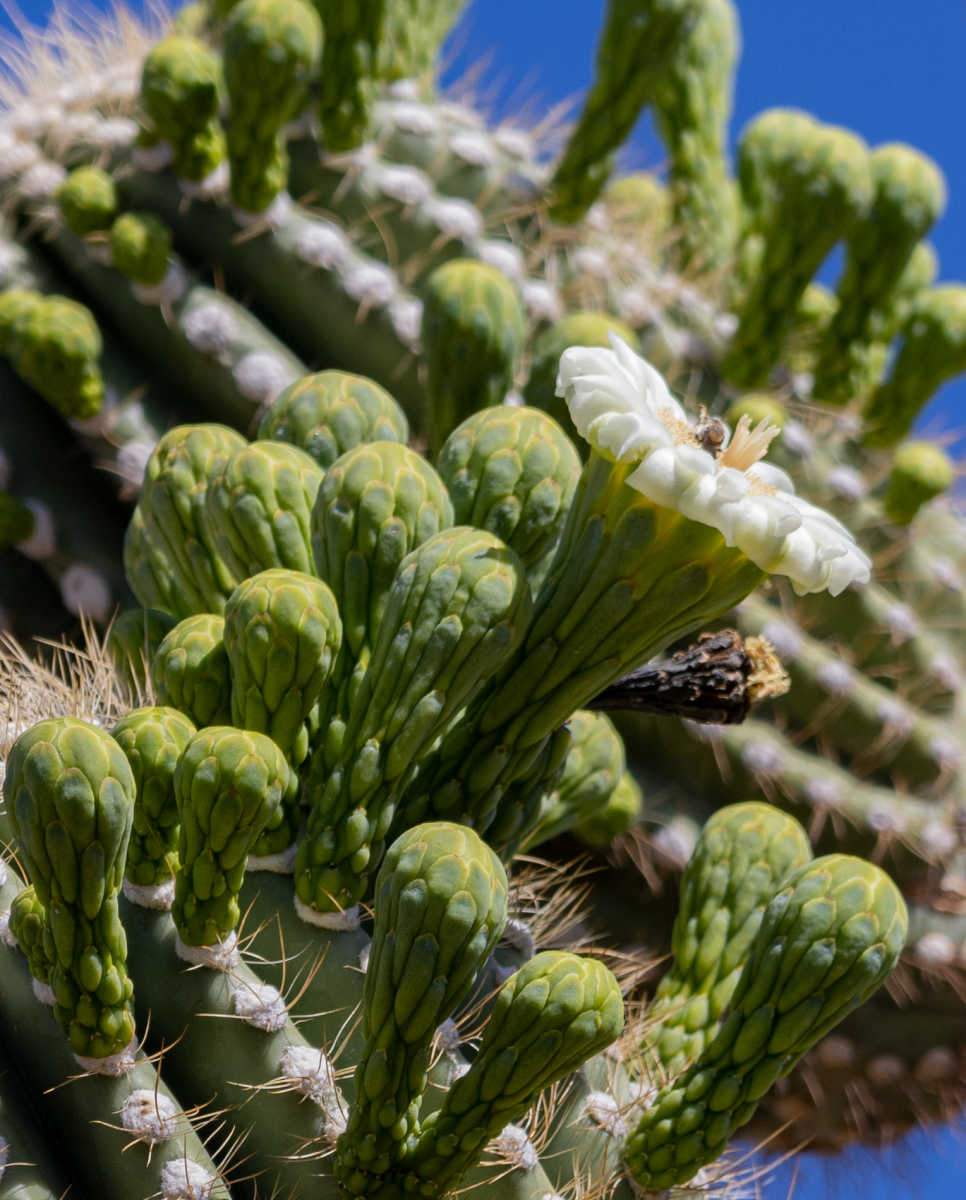
I added a cropped close up of the Saguaro fruit and needles. This was taken at 105mm at about 50ft from the Saguaro arm. (Without doing the math) Below is a closer shot on a low hanging arm with budding flowers. Kinda cool to see this perspective as most saguaros you would need a tall ladder to see what’s going on.

Saguaro flower buds taken with Canon RP

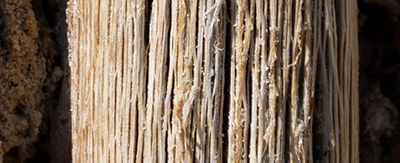
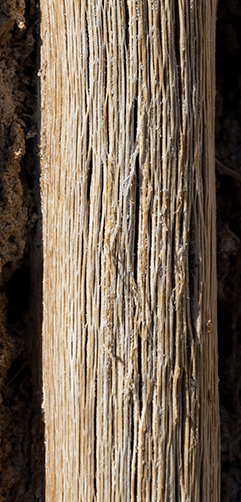
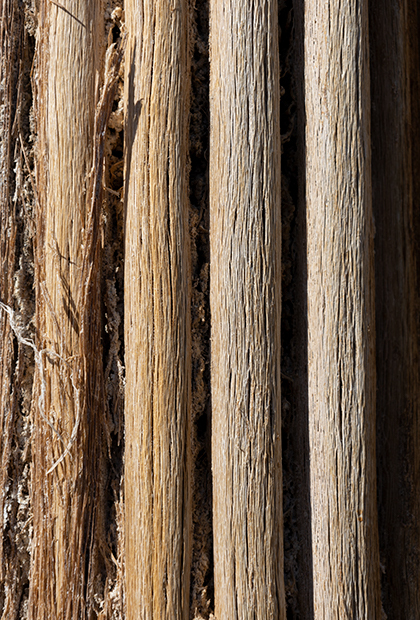
The conversion to jpeg reduces the quality of these dry Saguaro ribs, but this is like a macro shot at 95mm standing about 2-3 feet away. I really didn’t do this photo justice in auto mode with an aperture of f/7.1. Lesson learned!

Macro shot with Canon RP of Saguaro ribs
Saguaro Ribs

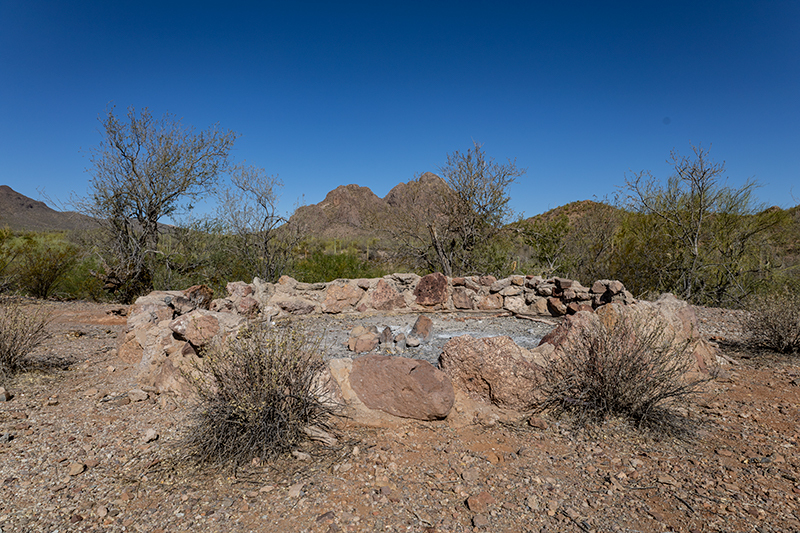
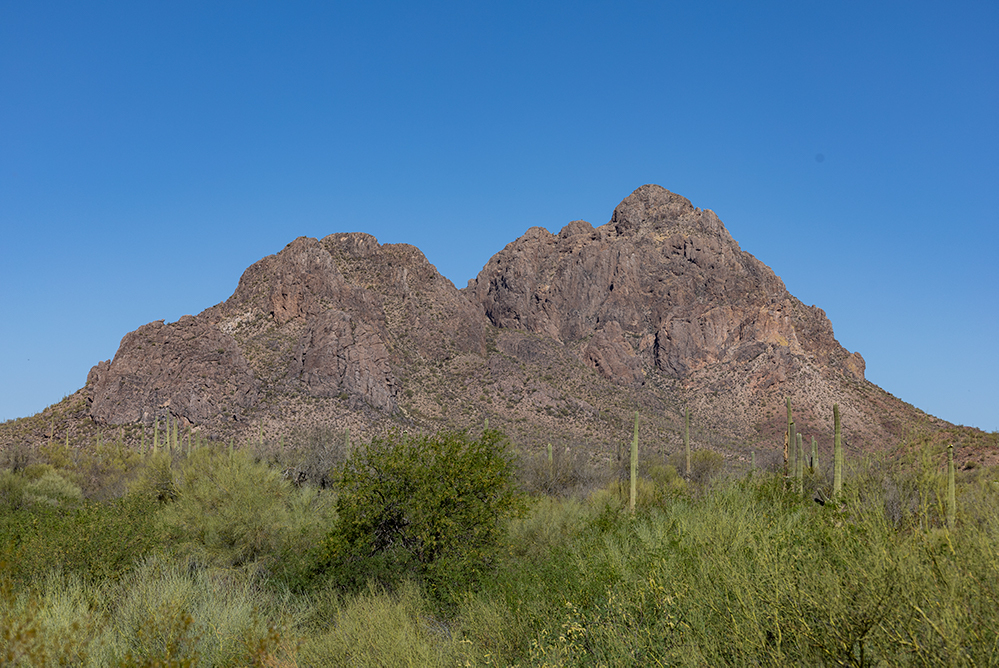
Below is a landscape image I struggled with using other cameras and lenses. In general whenever I would get home and zoom in the sky and ridgeline would have chromatic aberration, a purple line dividing the two. The green brush and trees below are crisp in comparison to past photos.

Landscape photo using Canon RP with 24-105 STM lens

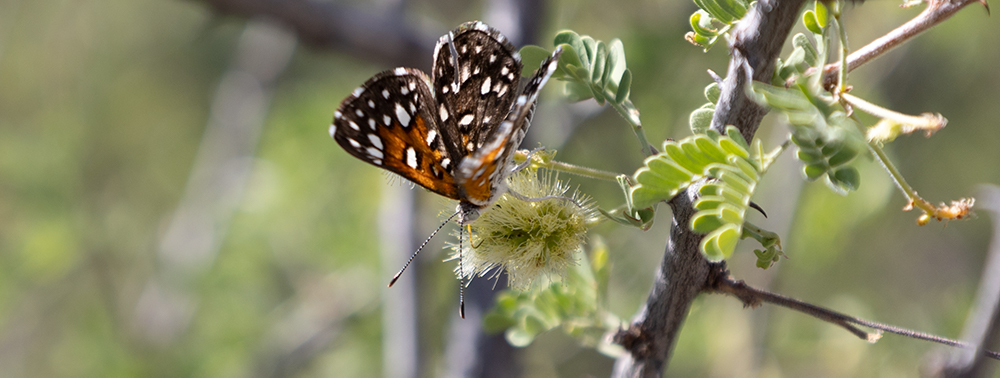
Below are a few shots where I was struggling with the focus. The depth of field bothers me a little, but still think these came out pretty good after all. I appreciate this little guy hanging around while I intruded on it’s lunch break.

Macro shots of butterfly using the Canon RP with 24-105 STM lens

I experimented with some depth of field after getting home and working on this post. I read some instructions earlier about focus bracketing and didn’t bother to look it up again. The RP has a feature that works with Canon software to bracket shots with different depths of field and combining them into one image. This is going to be a separate project for another day.

Depth of Field play with Canon RP
Depth of Field Play
Close-up photo of my cat with Canon RP
My favorite picture so far

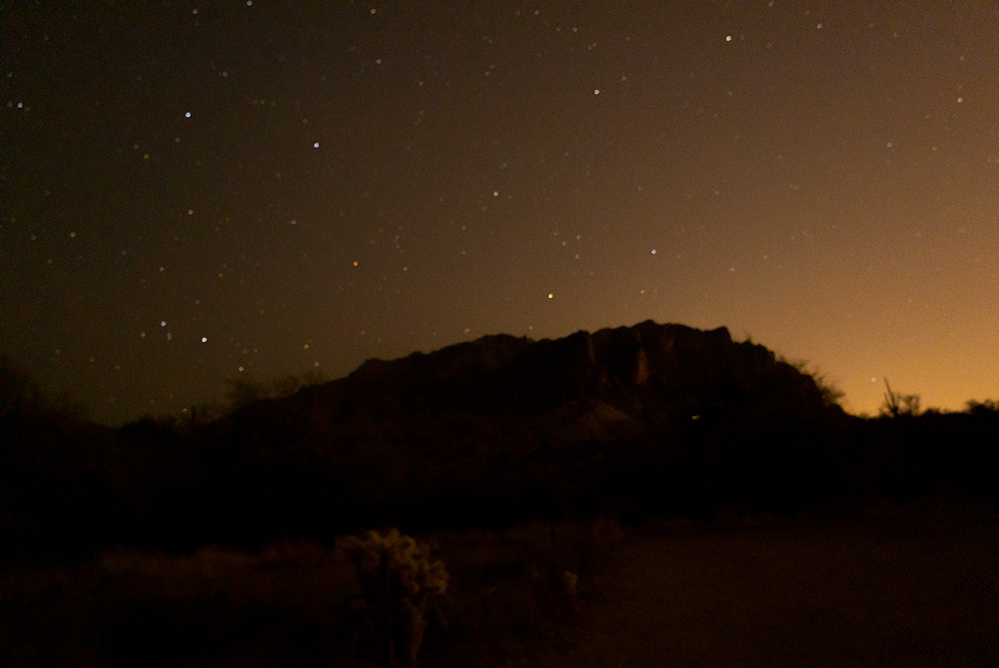
Next up was testing night photography out. Again who needs instructions?!!?1… It was fun I first started out like I did back on my old Canon T6 trying to find a bright start to focus on automatically. I didn’t realize I had left continuous focus on and that was a bit frustrating. Finally after thumbing through the menu I had the focus completely in manual. I discovered the greatest feature so far with the Canon RP, a focus meter! It still took a few shots to dial into infinity.

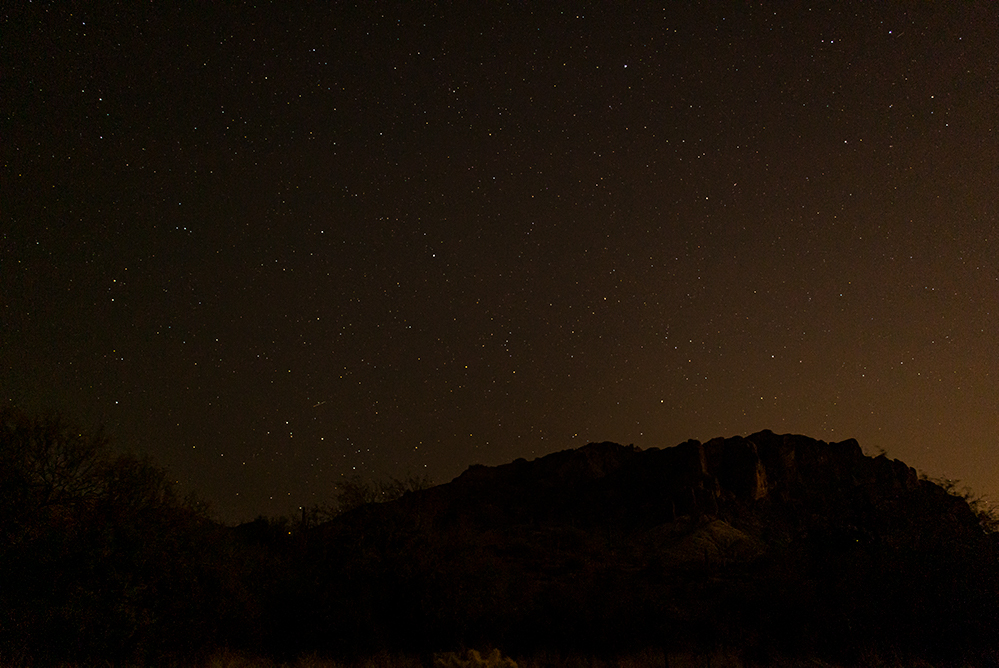
It’s still pretty early in the Northern Hemisphere Milky Way season, so I made sure I could get a few pictures with some stars in focus. My final settings were single shots at f/4 at 8 secs. with an ISO of 5000 at 24mm . No bracketing. Very very happy with the results and know there still some play with the settings.

Trying to focus at night with Canon RP
Flatiron at night
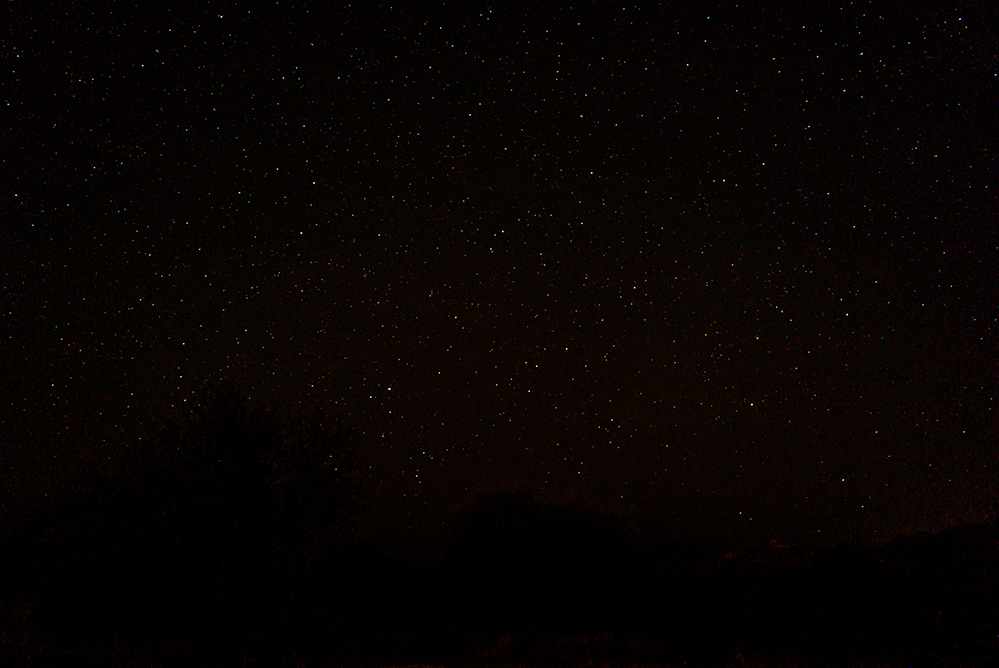
200% scale of stars taken with Canon RP
200% Scale
Photo of stars with Canon RP
Photo Raw adjustments to show off the universe a bit

One Year

Man time flies when the world is collapsing and burning around you. Hard to believe it was just over a year ago I fell backwards into my passion for art. It was with some sort of faith everything was fucked in the present and the only answer was to go backwards.

And it was. For at least a decade or more I was in a terrible haze. I’m still trying to see things clearly. It’s hard with all the digital noise and being downwind of the fires. The only clear thing is the present and what I am doing with it.

In the background are these forces bigger than all of the things in my head. One of these forces is the daily nuclear replenishment that can go on with or without my observance.

Purchase the image here.

Waning Moon Day Setting

The other day I saw a composition I just had to capture as the moon was setting. In my eyes, I see the composition as something completely different than what the lens may capture at times.

What I saw was waning moon setting over a Mondrian inspired paint job on a common Southwestern Adobe architectural style. The moon through the lens turned out to be further away than I would have liked though.

Cropped original photo

I started off trying to increase the size of the moon captured, but hit the limits of quality pixels no matter which way I tried to work it. So I had to borrow a moon from a previous photo on an image with finer detail.

March 14th, 2020 Waning Moon

The image of the moon was captured with a Canon 5D IV and 50mm L 1.4. It took some adjustment to create the solid black and blues in Adobe RAW masking the moon for separate adjustments.

Easy enough I was able to create a selection around the moon and copy and paste it into the Apartment photos. Using a blend in the layer style with some adjustments I knocked out the dark background and set the opacity to 70%. And wahlah… But wait. There was also the pesky tree that I had to remove. To me I say I flexed some Photoshop skills because it appears realistic and unremarkable.

To get the second image it was a lot easier I simply copied and pasted the moon layer along with using the patch tool to hide the smaller moon.

Rainbows, Lightning, and Dust Storms

Yes that’s right folks! Rainbows, lightning, and dust storms all in one sitting. Well for me at least. I am working on the time lapse, but here are some early images to show off. I used a little Photoshop magic to combine the lighting shot. Unfortunately, I was fumbling with settings when it was lighter out and a handful of strikes went off in camera view with brighter skies.

This is a similar time of day as the Sunset Light Study from a few days ago with the Goldfield mountain range behind the camera. I’m interested to see if anyone else caught these images from a different perspective.

Rainbow Dust Storm
Rainbow on the edge of a dust storm
Lightning in a monsoon dust storm

One Juvenile Cooper’s Hawk of a Meal

I’ve been traveling to a location recently looking for wildlife along the Salt River in the Tonto National Forest in Arizona. A lot of people come hear looking for the wild horses that roam along the Salt River and the Bush Highway. My goal is to find whatever roams this narrow corridor along the river and desert trails.

Adult Cooper's Hawk and Juvenile
An adult Cooper’s Hawk hiding close by a juvenile hawk as it begins to dissect it’s meal.

Deep on a trail I happened to hear the cry of something unfamiliar. I was hoping it wasn’t the skunk I smelled earlier and slowly walked towards the call to find a couple Cooper’s Hawks perched above the trail.

Juvenile Cooper's Hawk Feeding
Juvenile Cooper’s Hawk discarding inedible material from it’s prey.

Arizona is home to several raptors and guessing this is a juvenile Cooper’s Hawk based on images from AllAboutBird’s.org.

I’m not sure what it was eating, but it seemed to be another predator with a full belly. Momma hit the jackpot. She didn’t stick around for the photo session unfortunately. I attempted to zoom in to see what it was ripping apart. In this instance it looks like feathers are being discarded.

Juvenile Cooper's Hawk
Juvenile Cooper’s Hawk looking up from it’s meal with a stringy piece sticking out of it’s beak.
Juvenile Cooper's Hawk Feeding
Juvenile Cooper’s Hawk intently feeding on a large meal

This young bird didn’t seem to mind the shutter and kept working on it’s meal. In this image it appears it has a fish head. Although I saw other parts and pieces that resembled reptile legs with feet.

Juvenile Cooper's Hawk Eating
Juvenile Cooper’s Hawk intently feeding on a large meal
Juvenile Cooper's Hawk Eating
Juvenile Cooper’s Hawk eating with a piece of prime red meat in it’s beak.
Juvenile Cooper's Hawk
Juvenile Cooper’s Hawk holding down it’s meal with it’s claws and picking away at it with their beak
Juvenile Cooper's Hawk Eating
A juvenile Cooper’s Hawk gets a better grip on it’s meal as it digs for the yummy goodies
Weird Picture of Juvenile Cooper's Hawk Eating
Nom! Nom!
Juvenile Cooper's Hawk eating
The juvenile Cooper’s Hawk pulls a piece of stringy flesh from it’s meal
Juvenile Cooper's Hawk
A hard stare from a juvenile Cooper’s Hawk
Juvenile Cooper's Hawk
Juvenile Cooper’s Hawk looking at the fallen tid bit of a meal
Juvenile Cooper's Hawk Staring
Juvenile Cooper’s Hawk Staring at the camera

In the three images above the juvenile Cooper’s Hawk takes a break from it’s meal to check out the camera. The last one a hard stare at the shadow clicking away below.

Juvenile Cooper's Hawk

Now the meal is devoured, it’s time to clean up as the young Hawk looks for any left overs and brushes it’s beak on a twig.

Juvenile Cooper's Hawk cleans it's beak
Juvenile Cooper’s Hawk cleans it’s beak after a tasty meal.
Juvenile Copper's Hawk
The young hawk looks over it’s shoulder before flying off

The juvenile Cooper’s Hawk takes one last look back over their shoulder before taking flight. I thanked it for a one in a million opportunity to see this activity in the wild.

Light of Sunset

The fire stretches across the sky as the sun rest behind the horizon

The last light spews organs of the earth in bloody hues

A city divided with intent of survival and opulence

The later requiring the people remain in constant need

A virga rain supplicating the thirsty


Back in Action

Yesterday a new camera, Canon EOS 2000D (T7), arrived to replace the one lost. I’m really happy with the results working with about twice the pixels of the 1300D (T6).

Pink Oleanders in the morning grey

The Oleander shots required some work to bring out the whites and soft tones. Surprising the noise at 400 ISO is subtle and hardly noticeable in the jpegs.

Light from darkness
First sunset with European Canon EOS 2000D

The cover photo was the first sunrise and this is the first sunset captured. Looking forward to many more.

Momma walking with her duckling

This was a cute moment momma walking behind her duckling to keep it safe.

Boots the eyes of an old soul

Finally had to get one of Boots. He’s a new friend. Can’t say as much for Harper quite yet. She more bothered than he is. Boots gives her a slow eye kiss and a rough crackling meow.

Lost & Found

The other day I finally consolidated back-ups and found some files that I wanted to rework. Talk about satisfaction, and a little trip down memory lane. I’m still looking through the hundreds to see what can be turned from a blurry mess into something special.

A little love of the process in Photoshop brought this photo of the Phoenix Skyline together. The goal at the time was to create a frame from flowering creosote. The intense sunlight and natural contrast proved difficult. What I saw in this was a beautiful mirage in the distance with a flowering creosote bush right in the foreground.

The aptly named Fairy Duster. This wasn’t the best shot to begin with, but with Adobe Photoshop’s Shake Reduction it recovered fairy well. 😉

These lupine are beautiful and I was a lucky guy to find them. Or did they find me?

I had a couple ask me where to find all the wildflowers before taking these. The best way is to get out of your car and walk a trail. These photos make the flower appear larger than they actually are. So to see them you have to see a hint of purple, yellow, blues among the desert brush hiding them from the road.

My favorite Lost & Found is officially this image of the Milky Way Core. The color is like being inside a kaleidoscope in the middle of the high desert mountains.